Introduction
Vaping has become increasingly popular in recent years as an alternative to traditional smoking. This trend is not just limited to a few countries, but it has spread globally, including Australia. Vape in Australia has gained massive attention from smokers and non-smokers alike. In this article, I will provide an in-depth analysis of the current state of e-cigarettes in Australia, the legal regulations, and the overall perception of vaping in the country. As someone who has been part of the vaping community in Australia for several years, I will share my personal experience and first-hand knowledge on this topic. To learn more about e-cigarettes in Australia, visit E-cigarettes in Australia.
What are E-cigarettes?
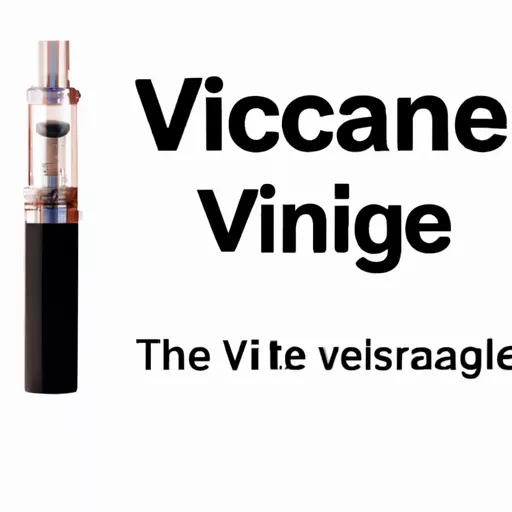
E-cigarettes, also known as electronic cigarettes, are battery-operated devices that produce aerosol by heating a liquid, which is then inhaled by the user. The liquid, often referred to as e-liquid or vape juice, contains nicotine, flavors, and other chemicals. The popularity of e-cigarettes can be attributed to its resemblance to traditional cigarettes, but without the tobacco, tar, and ash. The term “vaping” is used to describe the act of inhaling and exhaling the vapor produced by e-cigarettes.
Current State of Vaping in Australia
In Australia, the sale and use of nicotine-containing e-cigarettes are banned. However, the possession and use of non-nicotine e-cigarettes are legal in most states and territories. This means that Australians can vape without nicotine, but they cannot purchase e-liquids containing nicotine within the country. As a result, many Australians turn to online retailers from other countries to purchase nicotine-containing e-liquids. The demand for these products has sparked a debate among health authorities and policymakers.
Legal Regulations
The Therapeutic Goods Administration (TGA) is the regulatory body responsible for the regulation of therapeutic goods, including e-cigarettes, in Australia. In 2017, the TGA reviewed the scheduling of nicotine for use in e-cigarettes and decided to maintain its status as a prescription-only substance. This means that e-cigarettes containing nicotine cannot be sold in Australia without a valid prescription. In 2020, the TGA proposed changes to the scheduling of nicotine, which would allow for the marketing and sale of nicotine-containing e-cigarettes in pharmacies with a valid prescription. However, this proposal is yet to be implemented.
The Australian government is also pushing for stricter regulations on the importation of nicotine e-cigarettes, which would only allow the purchase of nicotine products from a medical practitioner. This has sparked criticism from the vaping community, who argue that this will limit their access to safer nicotine products while increasing reliance on traditional cigarettes. The government’s justification for these regulations is to prevent young people from gaining access to nicotine and curb the potential risk of addiction.
Perception of Vaping in Australia
The debate surrounding vaping in Australia continues to elicit mixed reactions from the public. On one hand, proponents argue that e-cigarettes are a less harmful alternative to smoking, and they can aid in smoking cessation. Many vapers claim that they have successfully quit smoking with the help of e-cigarettes.
However, opponents argue that nicotine-containing e-cigarettes have a negative impact on public health, especially among non-smokers, and could potentially lead to nicotine addiction. They also raise concerns about the lack of long-term studies on the potential health effects of vaping.
The Australian Medical Association (AMA) has also raised concerns about the use of e-cigarettes among young people, citing the risk of nicotine addiction and potential gateway to traditional smoking. The AMA has been advocating for stricter regulations and a complete ban on the sale and use of e-cigarettes in Australia.
The Vaping Community in Australia
Despite the regulations and controversies surrounding e-cigarettes in Australia, the vaping community continues to grow. Vaping has become a popular hobby, and many social media groups and forums have been created to share information and experiences among vapers. The diversity within the community is evident, with people from all walks of life coming together to advocate for access to safer nicotine products.
Many vapers in Australia are ex-smokers, and they have experienced positive changes in their health since switching to e-cigarettes. They also argue for the liberty to make their own choices about their health and well-being. The vaping community has been actively involved in advocating for the legalization of nicotine-containing e-cigarettes, arguing that a ban would do more harm than good.
Conclusion
In conclusion, the current state of e-cigarettes in Australia remains highly debatable. The restrictive legislation and lack of clear regulations continue to hinder the growth of the vaping industry in the country. However, the demand for safer nicotine products continues to increase, and many vapers believe the Australian government should prioritize access to these products and educate the public on their benefits and risks. As someone who has personally benefited from e-cigarettes, I believe that the government should listen to both sides of the argument and come up with a well-informed decision that prioritizes public health while considering the freedom of choice for individuals. For more information, visit E-cigarettes in Australia.